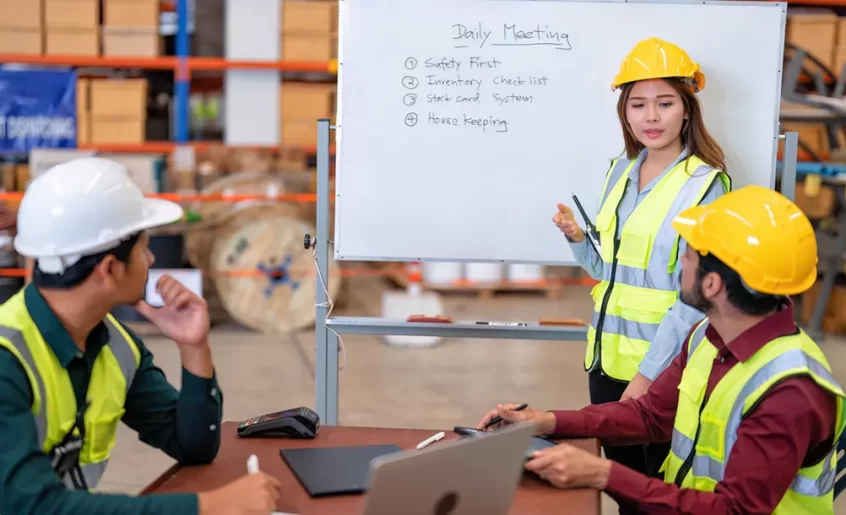
Contractors execute a large share of high-risk construction, maintenance, shutdown, turnaround, and plant-modification work. Their performance therefore affects both occupational safety and, in process facilities, the prevention of major hazardous events. This descriptive paper examines contractor safety performance evaluation using a balanced set of key safety indicators. It explains the role of lagging indicators such as injury and incident rates and leading indicators such as management engagement, training, risk assessment, permit compliance, inspections, near-miss reporting, and corrective-action closure.
Behavior-Based Safety (BBS) is a systematic approach used in industrial organizations to improve workplace safety by identifying, observing, and modifying critical employee behaviors through feedback, reinforcement, training, and continuous participation. Although BBS has traditionally focused on occupational safety, its underlying behavioral principles can also contribute to environmental compliance because many environmental risks in industrial operations depend on routine employee actions. These actions include proper waste segregation, chemical handling, spill prevention, adherence to operating procedures, pollution-control practices, housekeeping, reporting of environmental abnormalities, and efficient use of resources.
Electrical panel maintenance is critical for ensuring the safety, reliability, and continuous operation of commercial buildings. However, maintenance activities expose workers and facility stakeholders to various hazards, including electric shock, arc flash, fire incidents, equipment failure, and operational disruptions. These challenges are further intensified by aging electrical infrastructure, high-occupancy environments, and the requirement to maintain uninterrupted business operations with minimal downtime.
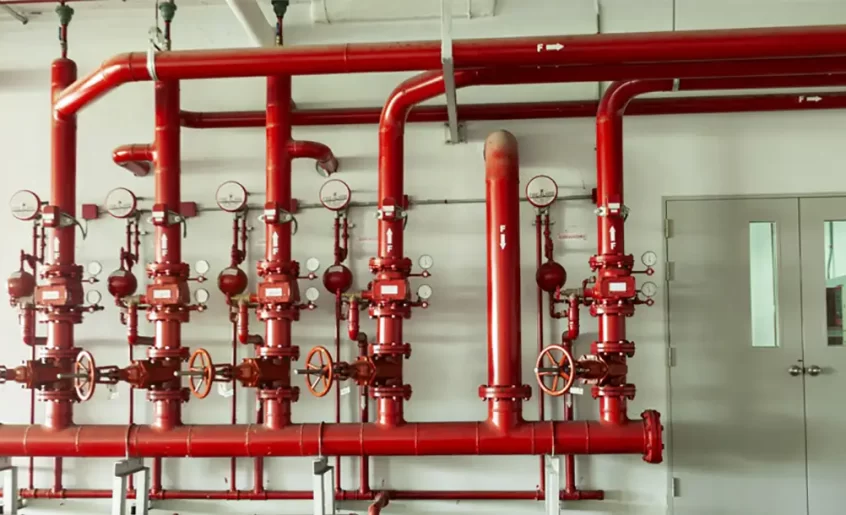
Smoke, not fire, is the biggest killer in buildings. And many incidents become worse because HVAC systems continue running during early fire stages. HVAC and fire alarm system interlocks are critical safety measures designed to prevent smoke migration and manage fire hazards, often by automatically shutting down air handling units (AHUs) or activating smoke dampers during a fire alarm activation. These small, often-overlooked electrical interfaces (relays/inputs) are essential for life safety, as smoke inhalation—not fire—is the primary killer in building fires.