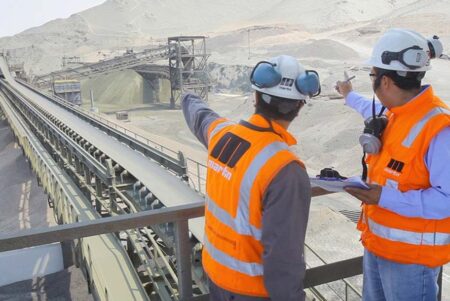
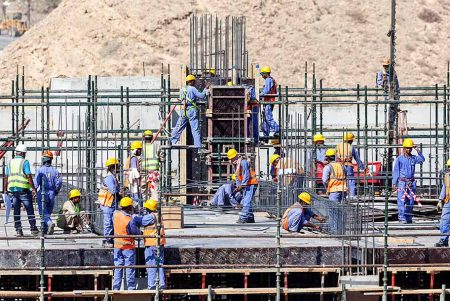
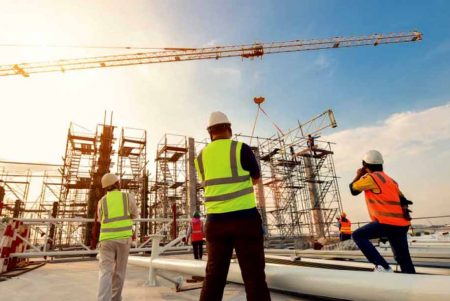
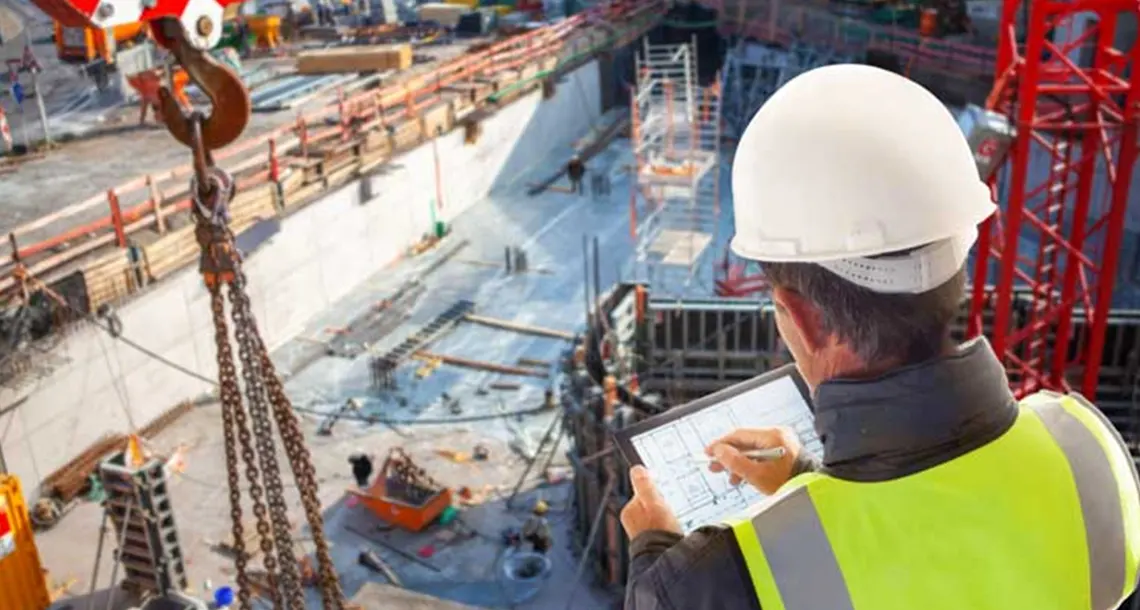
Contractors execute a large share of high-risk construction, maintenance, shutdown, turnaround, and plant-modification work. Their performance therefore affects both occupational safety and, in process facilities, the prevention of major hazardous events. This descriptive paper examines contractor safety performance evaluation using a balanced set of key safety indicators. It explains the role of lagging indicators such as injury and incident rates and leading indicators such as management engagement, training, risk assessment, permit compliance, inspections, near-miss reporting, and corrective-action closure.
Behavior-Based Safety (BBS) is a systematic approach used in industrial organizations to improve workplace safety by identifying, observing, and modifying critical employee behaviors through feedback, reinforcement, training, and continuous participation. Although BBS has traditionally focused on occupational safety, its underlying behavioral principles can also contribute to environmental compliance because many environmental risks in industrial operations depend on routine employee actions. These actions include proper waste segregation, chemical handling, spill prevention, adherence to operating procedures, pollution-control practices, housekeeping, reporting of environmental abnormalities, and efficient use of resources.
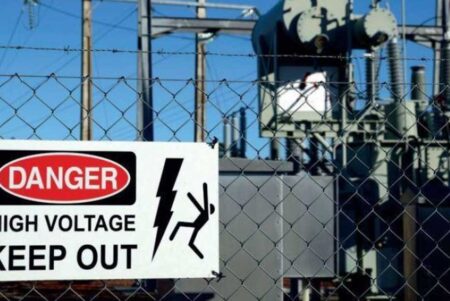
Electrical panel maintenance is critical for ensuring the safety, reliability, and continuous operation of commercial buildings. However, maintenance activities expose workers and facility stakeholders to various hazards, including electric shock, arc flash, fire incidents, equipment failure, and operational disruptions. These challenges are further intensified by aging electrical infrastructure, high-occupancy environments, and the requirement to maintain uninterrupted business operations with minimal downtime.
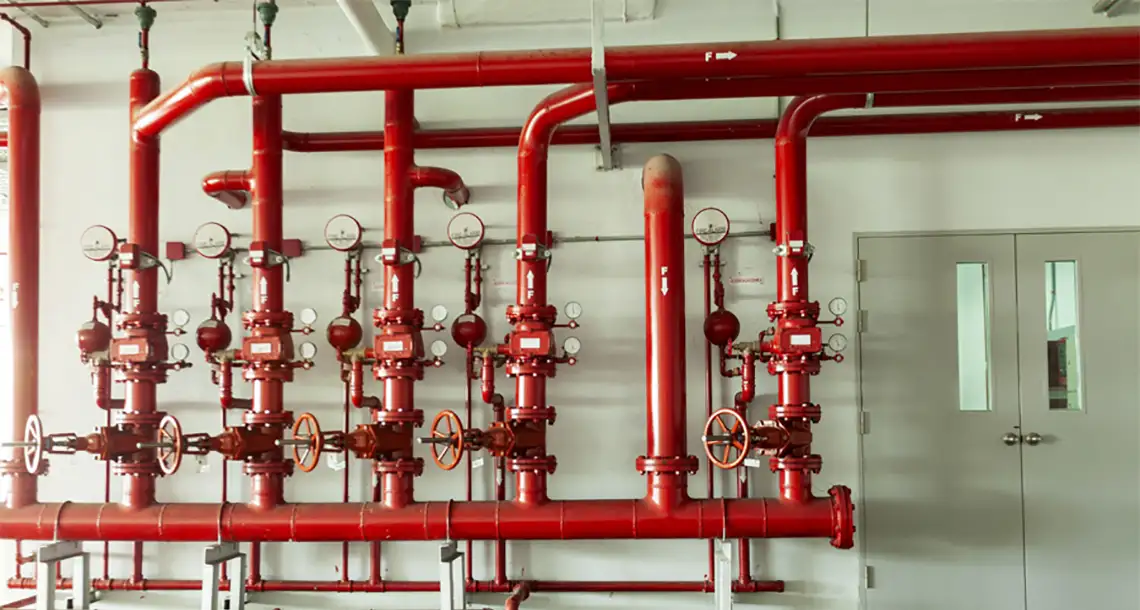
Smoke, not fire, is the biggest killer in buildings. And many incidents become worse because HVAC systems continue running during early fire stages. HVAC and fire alarm system interlocks are critical safety measures designed to prevent smoke migration and manage fire hazards, often by automatically shutting down air handling units (AHUs) or activating smoke dampers during a fire alarm activation. These small, often-overlooked electrical interfaces (relays/inputs) are essential for life safety, as smoke inhalation—not fire—is the primary killer in building fires.
Volume 9, Issue 1, January-March 2026 Effectiveness of Safety Training Programs: A Study of Employee Engagement and Learning Outcomes Shamim A. RayaniCorporate Head – HSE in HL Agro Products Pvt. Ltd., MBA, B.Tech. (Chem. Engg.), M.Sc. (Env. Sc.), PDIS (RLI-Kanpur), SMISE, Lead Auditor (ISO 14001/9001/45001), NEBOSH IGC, 35+ Years (EHS & BBS) Email id: shamim.rayani@gmail.com Abstract Safety training programs are …
Volume 9, Issue 1, January-March 2026 Risk Assessment and Mitigation Strategies in High-Risk Industries: A Case Study Mr. Chirag GajeraSafety Head – HSE in Heidelberg Cement, Experience: 20+ Years Email id: chirag.gajera@heidelbergcement.in Abstract High-risk industries, such as construction, mining, and chemical manufacturing, face significant challenges related to workplace safety, environmental impact, and operational risks. Effective risk assessment and mitigation strategies …
Volume 9, Issue 1, January-March 2026 Safety Culture in Organizations: A Study of Leadership Commitment and Employee Participation Mr. Jai Shankar TiwariSafety Head – HSE in Dalmia Cement Bharat Limited, Experience: 25+ Years Email id: tiwari.jaishankar@dalmiacement.com Abstract Safety culture is a critical component of organizational success, particularly in industries where workers face significant risks. The strength of an organization’s …
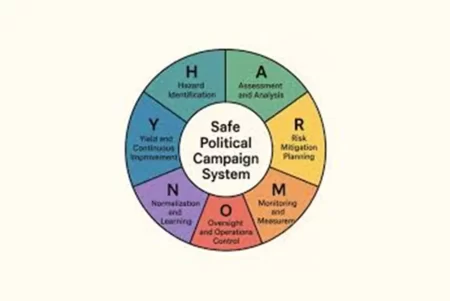
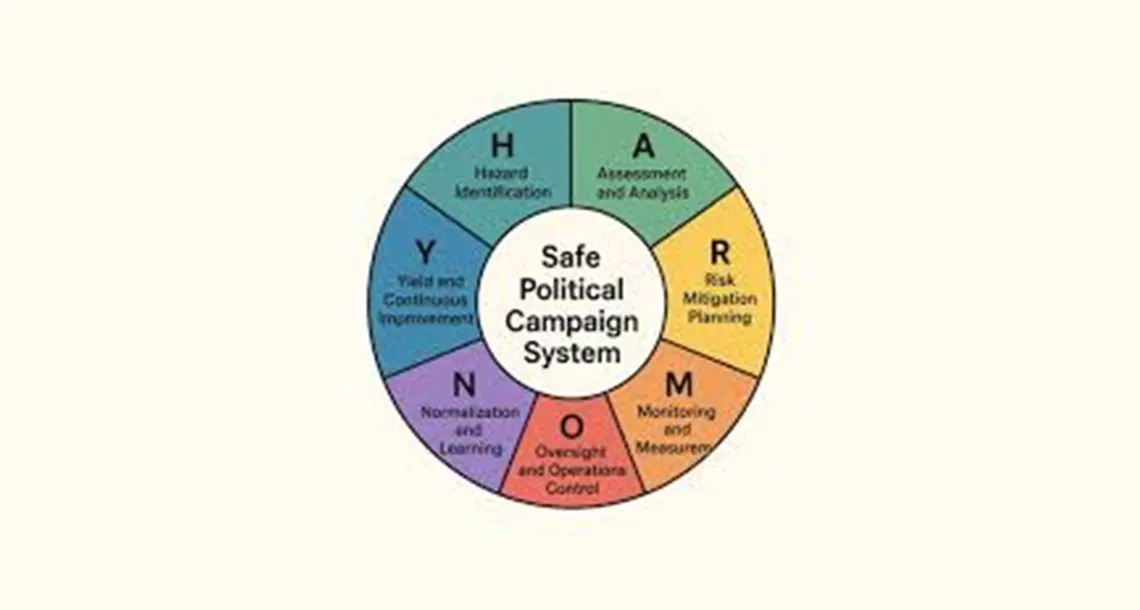
Volume 8, Issue 3, July-September 2025 Engineering Democracy Safely: The H.A.R.M.O.N.Y. Framework for Political Campaign Risk Management Dr. Senthilkumar Anantharaman Email id: senthilkumara1851@gmail.com Abstract Political campaigns represent vibrant expressions of democracy, yet their large-scalemobilisations frequently expose participants to significant safety hazards—structural,electrical, vehicular, and crowd-related. Recent incidents, including the Karur rally disaster inTamil Nadu, have revealed systemic lapses in safety planning …
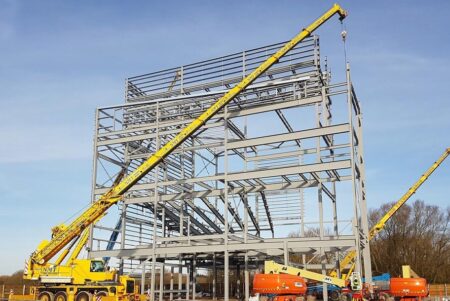
Volume 8, Issue 3, July-September 2025 The Importance of Third-Party Inspection in Construction Safety and Quality Mr. Amogh CGSenior Member – Institute of Safety Engineers (India) Email id: amoghswamy9@gmail.com Abstract Safety and quality in construction work are inseparable. In the face of growing project size and complexity, TPI’s role has become more important than ever. Independent inspection helps in …
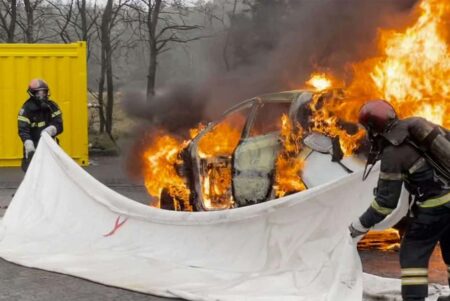
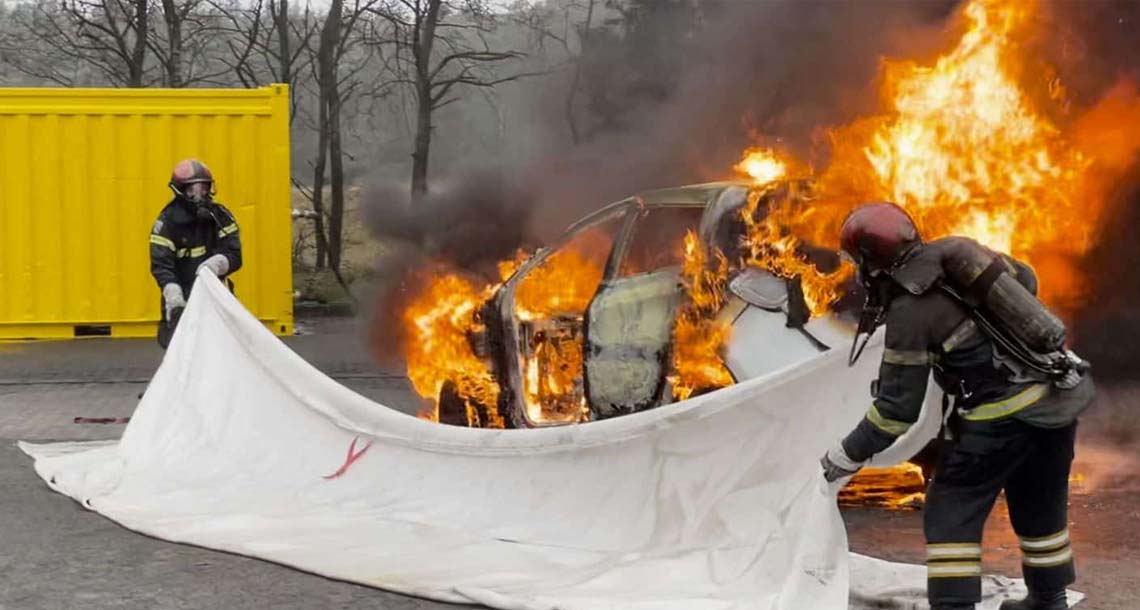
Volume 8, Issue 2, April – June 2025 Dangers of Using Water Under Fire Blankets During EV Fires Dr. Arindam BhadraDirector of SSA Integrate, 20+ Years Experience in The Field of Design Inspection Consultancy Commissioning with NFPA Certifications. Certified Fire Inspector and ISO Lead Auditor. Member Of NFPA, ISEI, FSAI, Natonal Safety Council Email id: ssaintegrate@gmail.com Abstract Using fire blankets …