Volume 9, Issue 1, January-March 2026 Effectiveness of Safety Training Programs: A Study of Employee Engagement and Learning Outcomes Shamim A. RayaniCorporate Head – HSE in HL Agro Products Pvt. Ltd., MBA, B.Tech. (Chem. Engg.), M.Sc. (Env. Sc.), PDIS (RLI-Kanpur), SMISE, Lead Auditor (ISO 14001/9001/45001), NEBOSH IGC, 35+ Years (EHS & BBS) Email id: shamim.rayani@gmail.com Abstract Safety training programs are …
Volume 9, Issue 1, January-March 2026 Risk Assessment and Mitigation Strategies in High-Risk Industries: A Case Study Mr. Chirag GajeraSafety Head – HSE in Heidelberg Cement, Experience: 20+ Years Email id: chirag.gajera@heidelbergcement.in Abstract High-risk industries, such as construction, mining, and chemical manufacturing, face significant challenges related to workplace safety, environmental impact, and operational risks. Effective risk assessment and mitigation strategies …
Volume 9, Issue 1, January-March 2026 Safety Culture in Organizations: A Study of Leadership Commitment and Employee Participation Mr. Jai Shankar TiwariSafety Head – HSE in Dalmia Cement Bharat Limited, Experience: 25+ Years Email id: tiwari.jaishankar@dalmiacement.com Abstract Safety culture is a critical component of organizational success, particularly in industries where workers face significant risks. The strength of an organization’s …
Volume 8, Issue 1, January-March 2025 Occupational Safety in Indian Factories: Analysing Trends and Policy Gaps for a Preventive Culture (2013-2022) R. K. NAGARAJUStudent in M.A. Sociology, Prof. Ram Reddy Center for Distance Education, Osmania University, Hyderabad Email id: r.k.nagaraju@protonmail.ch Abstract This study evaluates workplace safety in Indian registered factories from 2013 to 2022 by analyzing occupational safety and health …
Volume 7, Issue 1, January – March 2024 Safe Critical Lifting Practices Followed During The Structural Erection Viswanadha Appala Narasimha MurthySafety Professional, M.Tech, PDIS Email id: murthyehs@gmail.com Abstract The study has been carried & prepared for the execution of MMRDA MUMBAI Project, being executed by J. KUMAR and this is a guideline for all employees of J. KUMAR as well …
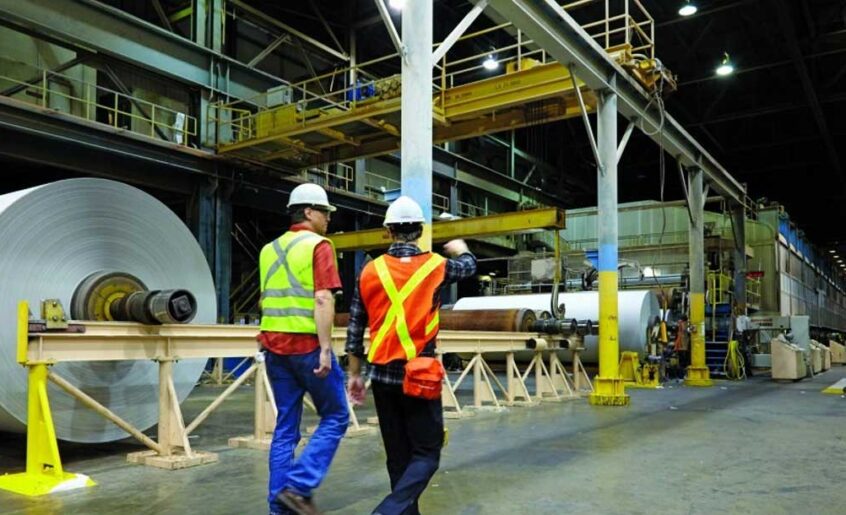
This paper presents an overview of strategies that can be employed to control industrial accidents in the workplace. The focus is on identifying potential hazards and implementing measures to prevent and mitigate accidents. The paper discusses the importance of conducting regular risk assessments and implementing safety protocols to reduce the risk of accidents. Training and education programs are also highlighted as critical tools for raising awareness and ensuring that employees are prepared to respond to emergencies.
Water serves a variety of purposes just on planet and is among the most fundamental ingredients of life. Erosion of soil or rock by flowing water results in the movement of suspended, colloidal and dissolved constituents over great distances, often thousands of kilometers, before they are ever redeposited. Because of the integration of human activity into the movement of material within natural waters, the contamination of these processes is rising.
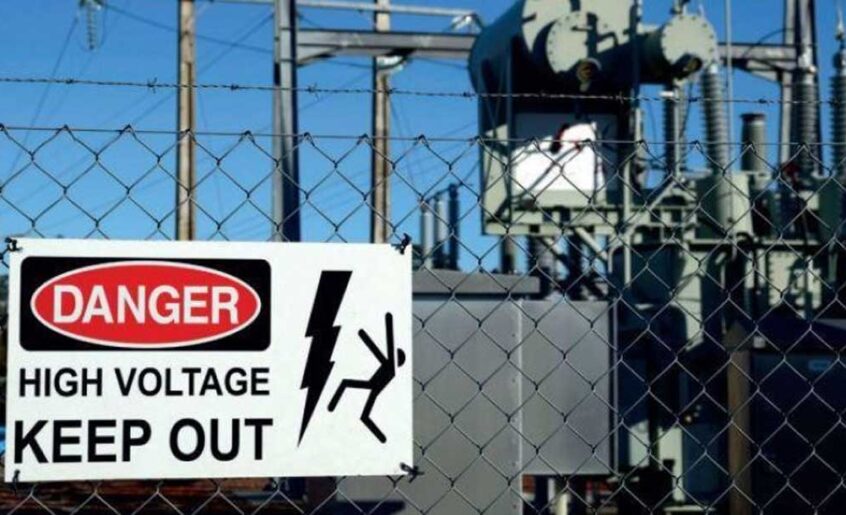
Electricity is a fundamental and essential form of energy in modern society. However, it poses significant risks to both human life and property. The study of risk control related to electricity aims to mitigate these risks by identifying and assessing. Effective risk control related to electricity requires a comprehensive understanding of electrical systems and the hazards associated with them. This understanding must be coupled with proper training and education for individuals who work with or are exposed to electrical systems.
Workplace accident Results huge losses of organization. If a worker is harmed in the workplace, he or she may have to take time off of work and moral decrease of their colleague employee. This Totally impacts to organization business in term of reduce productivity, penalty impose by court or respective government representative, poor reputation in market etc. Accident at work place can occur due to fall, Slip,
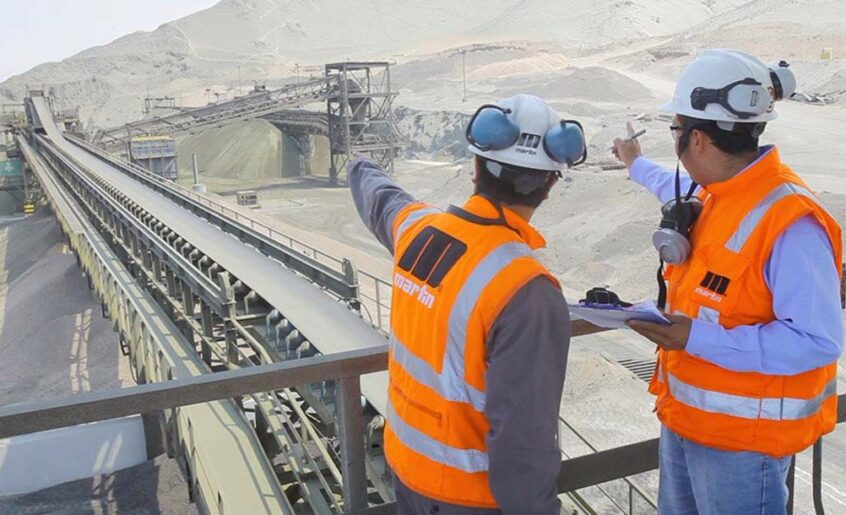
In Industries, Several Method use to handling material from one location to other location in which one method is material handling through conveyor. Conveyor saves manpower, increase efficiency, save time and complete task safely. Conveyor has many positive benefits including few negative impacts whenever person come in contact with conveyor rotating parts during operation then this results accidents …